About
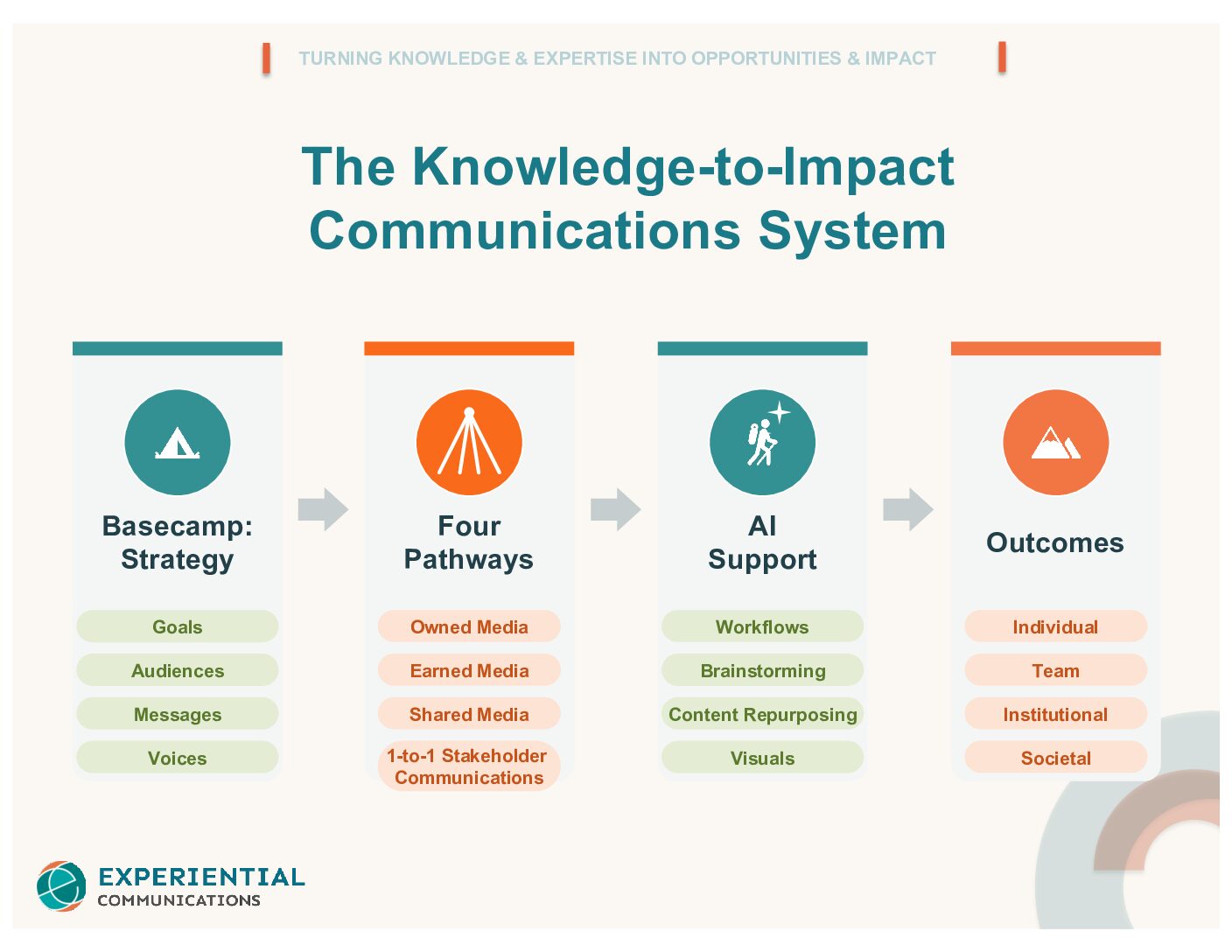
Since 2013, Experiential Communications has helped universities, research centers, mission-driven organizations and thought leaders translate research and expertise into greater opportunity and impact. Through the consultancy’s Knowledge-to-Impact Communications System, teams and individuals develop communications strategies and thoughtfully integrate AI to make progress towards their goals.
Experiential Communications is a solo consultancy led by founder Kevin Anselmo. Rather than being passed between layers of account management, clients benefit from working directly with a senior communications leader with more than 25 years of experience leading strategic communications projects. When additional execution support is necessary, Kevin collaborates with a trusted network of experienced professionals. This model creates a more flexible, collaborative and personalized experience. Learn more about Kevin below.
As Seen On:
Inside Higher Education
London School of Economic Impact Blog
ATD
Ragan PR Daily
IE Insights
Spin Sucks
People Matters
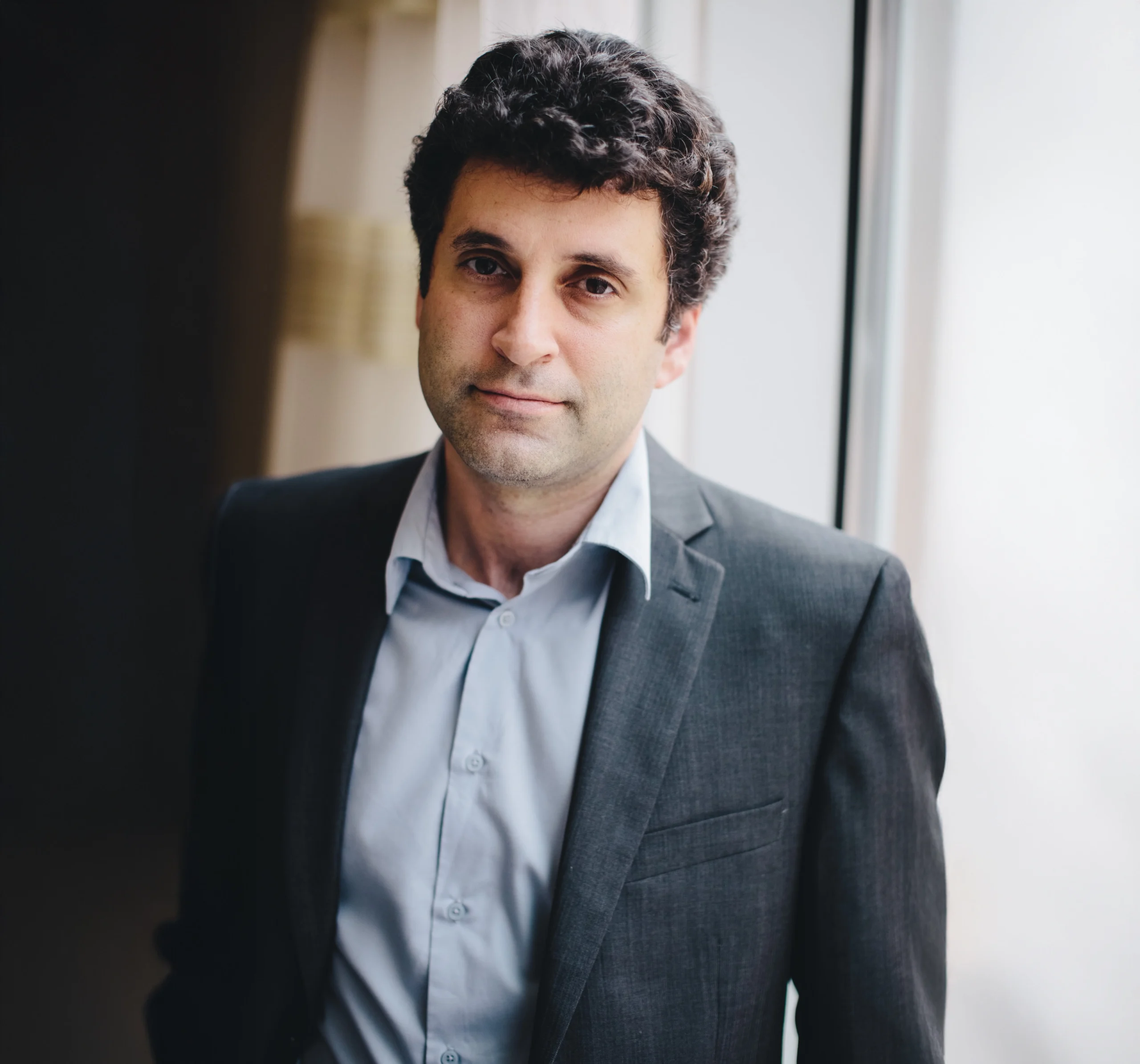
About Kevin Anselmo, Founder and Principal of Experiential Communications
In an era of AI-enabled communication, the human side of communication is more important than ever. Here are a few quick facts about Kevin and the experiences that influence his approach to working with you.
Professional journey
I’ve been fortunate that my professional journey has taken me across different countries and industries. I began my career working in international sports communications before transitioning into higher education and executive education communications at IMD Business School in Lausanne, Switzerland and later Duke University’s Fuqua School of Business. In 2013, I launched Experiential Communications and have grown to genuinely love the entrepreneurial journey and the opportunities, creativity and relationships that come with it. Not every day is great, and entrepreneurship certainly brings moments of uncertainty, but overall I’m deeply grateful for the path I’ve been able to pursue.
Global perspective
My career took me to Switzerland for eight years and Germany for two years. As part of my work in the international sports world, I travelled extensively throughout Europe. One of my earliest international assignments was covering the baseball competition at the 2000 Sydney Olympic Games. For many years, I was the only American in the office. I genuinely enjoy learning from colleagues with different backgrounds, communication styles and worldviews. While running my consultancy from Sarasota, Florida, much of my work today still involves collaborating with clients and colleagues outside the U.S. Those experiences continue to shape how I think about communication, relationships, leadership and learning.
Why the The Knowledge-to-Impact Communications System
For many years, I’ve led media training and strategic communications workshops for clients. Over time, I realized that the work of researchers and academics is about far more than external visibility alone. Impact can include media coverage, but it can also involve communicating effectively with individual donors, alumni, policymakers, collaborators, students and other important stakeholders. I’ve also spent years closely following how AI is shaping higher education. While much of the conversation has focused on teaching and research productivity, far less attention has been given to how AI can support research communications and public scholarship.
The Knowledge-to-Impact Communications System was created to help individuals and organizations combine strategic communications thinking with thoughtful AI-enabled workflows to support their own goals and desired outcomes. Many researchers and thought leaders simply do not have enough time to consistently invest in communications efforts. With clear strategies, intentional systems and the ethical use of AI, the process becomes more manageable and aligned with the outcomes that matter most.
Motivations
I genuinely enjoy teaching and helping people grow as communicators. One of the most rewarding parts of my work is seeing individuals and organizations gain greater clarity, confidence and momentum. I’m also motivated by the opportunity to make a meaningful difference by helping expertise connect with the audiences, stakeholders and opportunities where it can create impact.
I view this work as an ongoing learning process for myself. The communications and AI landscape is evolving rapidly, and part of the Knowledge-to-Impact approach involves co-creating with clients, experimenting thoughtfully and discovering new applications together. I don’t see myself simply as “the expert” delivering answers from the top down. The process is collaborative, exploratory and grounded in continuous learning.
Navigating the AI ERA
I do not position myself as the ultimate AI expert. What interests me most is thoughtfully exploring how AI can support research communications, public scholarship and strategic external engagement in practical and responsible ways.
While AI can now assist with tasks like drafting and content creation, I believe the greater opportunity lies in helping individuals and organizations think more strategically about communication, goals, audiences and impact. That shift increasingly allows me to focus on the areas I enjoy most: teaching, advising, strategy and collaborative problem-solving.
AI can save time and create momentum, but it can also generate noise, distraction and low-value output when used without clear goals and thoughtful direction. That is why the Knowledge-to-Impact approach emphasizes strategy first, with AI serving as an enabler rather than the driver.
Family
My greatest life accomplishment has nothing to do with communications or career milestones. It was marrying my wife, Nicole. I’m incredibly grateful for her support, encouragement and partnership through the many ups and downs that come with work, entrepreneurship and life.
I’m also the proud dad of two sons. Some of my favorite moments happen on the basketball court, at the baseball field or around conversations about investing. I used to think I was teaching them about the stock market. At this point, it increasingly feels like they are teaching me.
A few facts not on my resume
My faith plays an important role in my life. I’m a practicing Christian, not in the politicized sense that often dominates headlines, but in trying to stay grounded in the core teachings of grace and humility reflected in the gospel message. I’m grateful that my faith gives me an anchor for my identity beyond professional success or external validation, although I often need reminders of that myself.
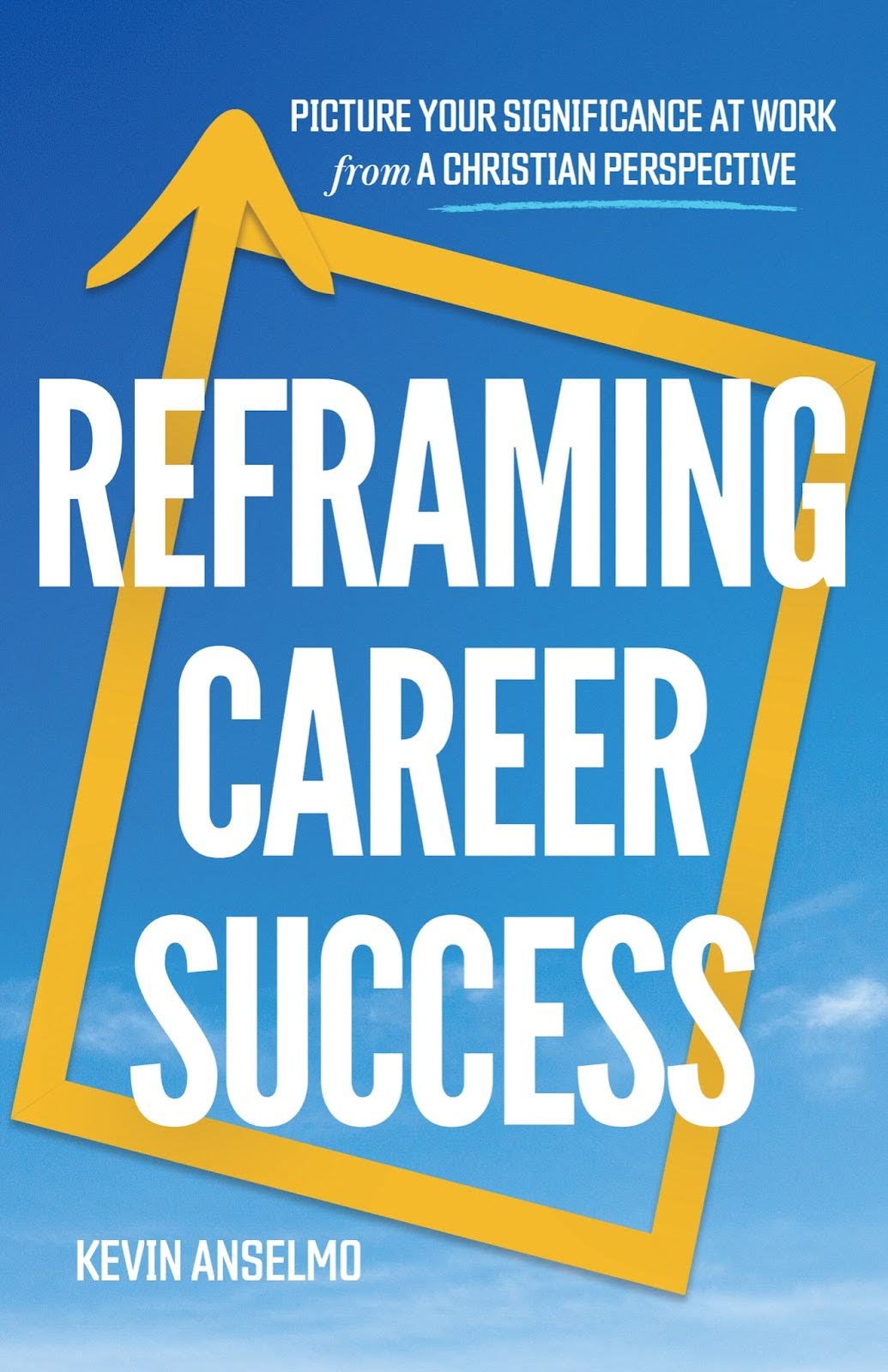
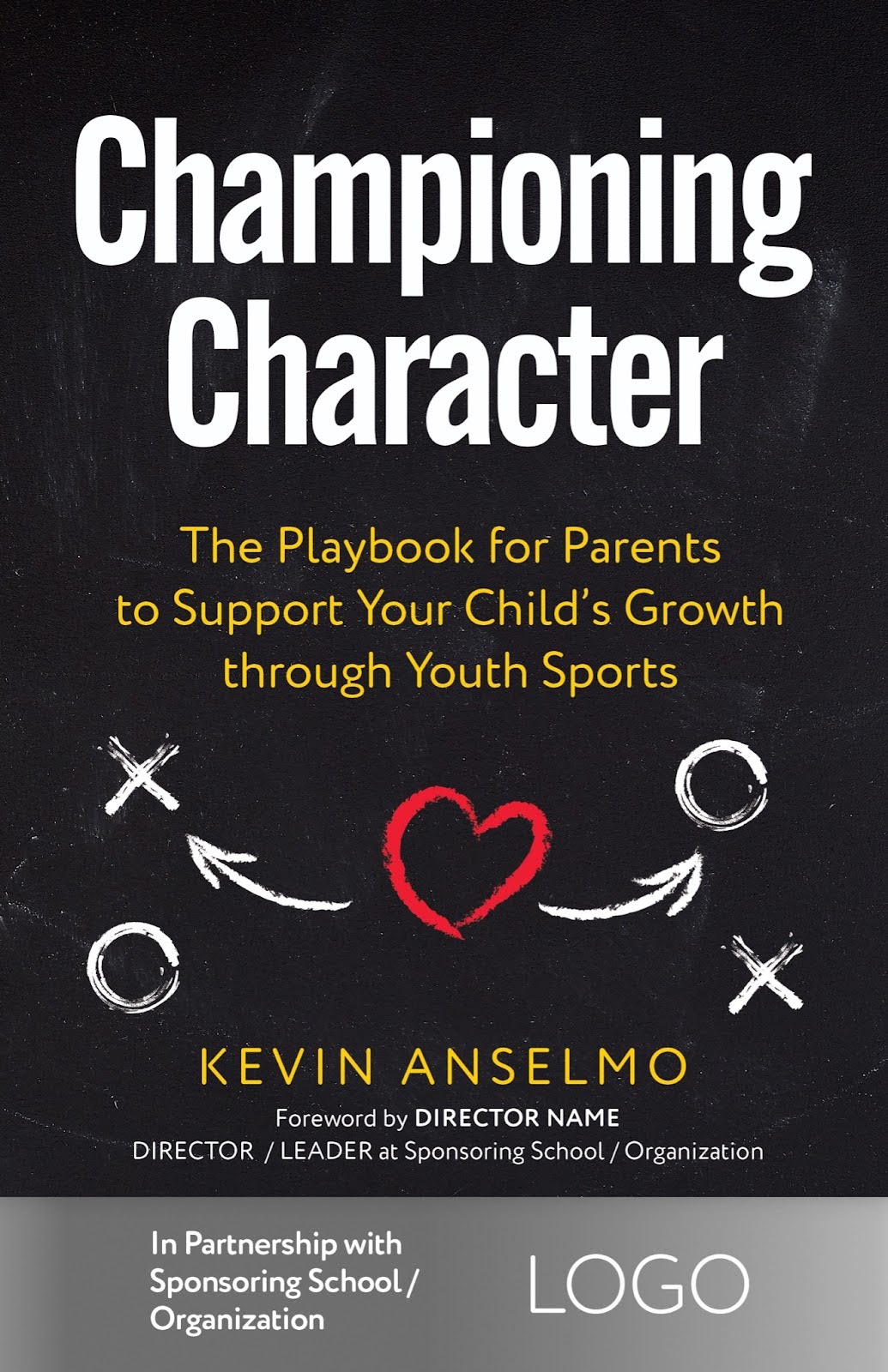
Outside of work, I still enjoy competing in an adult basketball league. I’m passionate about youth sports and leadership development. That interest led me to write a book called Championing Character: The Parent’s Playbook and create a class called Basketball and Leadership. I also teach a class for kids called Basketball and Leadership.
Favorite podcasts
- Gospel in Life with Timothy Keller
Most mornings I start my day by listening to sermons from the late Dr. Keller. His thought-provoking teachings ground me spiritually and challenge me to think more deeply about faith, purpose and life. - The Bill Simmons Podcast
He is hilarious. I laugh out loud all the time by myself listening to Bill’s sarcasm. I also love his NBA commentary. - AI Explored with Michael Stelzner
This fantastic interview shows helps me to stay current on AI developments and how emerging technologies are reshaping communication. - Thinking with Mitch Joel This podcast features great interviews with leaders exploring leadership, technology, innovation, marketing and the future of work and communication. I love Mitch’s interview style.